
Exploring Ancient Woodlands and Their Wildflowers
What Makes a Woodland Ancient
In Britain, "ancient woodland" has a precise meaning. It describes land that has been continuously wooded since at least 1600 in England and Wales, or 1750 in Scotland. That date isn't arbitrary. It marks the point when planting became fashionable, so anything wooded after it may well be a plantation rather than a survivor of the original wildwood.
You can often guess an ancient wood before you confirm it. Look for boundary banks and ditches running through the trees — earthworks thrown up centuries ago to keep livestock out. Look for a canopy of oak, ash and lime rather than uniform conifers. Look for a ground flora so rich it seems almost extravagant. These are the signatures of land that has never been ploughed, drained or cleared within living memory of the landscape.
Reading the Spring Floor: Bluebells and Indicator Plants
The bluebell wood is the great British woodland spectacle, and it's worth timing your walks carefully. Native bluebells (Hyacinthoides non-scripta) usually flower from mid-April to late May, just as the canopy is closing overhead. They need that window of light. A deep, well-established colony can take decades to form, which is why you should never dig bulbs from the wild.
Learn to tell native bluebells from the garden-escape Spanish type. Native flowers hang to one side of the stem in a drooping, nodding spike, are strongly scented, and have cream-coloured anthers. Spanish bluebells stand upright, are faintly scented at best, and carry blue anthers. Hybrids muddy the water, but the general shape tells you plenty.
Bluebells rarely appear alone. Where you find them, look also for these ancient woodland indicators:
- Dog's mercury — a carpet of green, easily overlooked until you notice its subtle flower spikes
- Wood anemone — starry white flowers that spread by root, not seed, so colonies are genuinely old
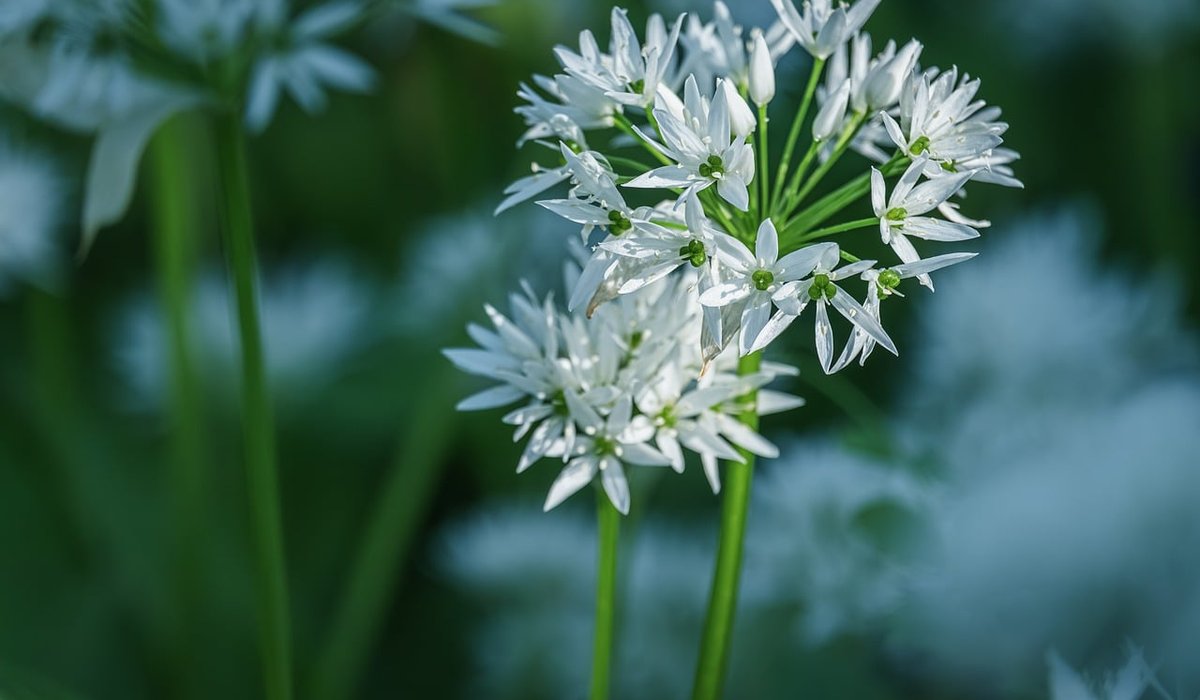
- Ramsons, or wild garlic — glossy leaves and a haze of white flowers in damp ground
- Wood sorrel — neat trefoil leaves, best nibbled sparingly on the walk
- Yellow archangel, herb Paris and early purple orchid — all strong clues that the wood is old
None of these plants are proof on their own, but a site with six or eight of them is almost certainly ancient.
Coppice Stools and the Hands That Shaped Them
Most ancient woods in lowland Britain were not left alone. They were managed as coppice, cut on a rotation to produce poles, hurdles, charcoal and firewood. Hazel was the workhorse, cut every seven to fifteen years. Hornbeam, ash, field maple and sweet chestnut all took their turn in different regions.
The clue is the stool — a stout, spreading base from which many slender stems rise. Cut a stool and it regrows; leave it long enough and the stems thicken into a ring of trunks, sometimes two or three feet across. Some stools in old woods are centuries old, quietly producing wood long after the crafts that needed it faded away.
Look too for woodbanks, saw pits, charcoal platforms and old ride patterns. These are archaeology as much as ecology.
Foraging Respectfully in Old Woods
Foraging and conservation can sit happily together if you follow a few simple rules. In England and Wales it is an offence to uproot any wild plant without the landowner's permission, and some species — including native bluebell — are protected from sale. Picking leaves and fruit for personal use is generally fine on land where you have permission, but check first, and steer clear of nature reserves and Sites of Special Scientific Interest.
- Pick wild garlic leaves from the middle of dense patches, never from the edges of a small colony
- Take leaves only — the bulb is the plant's future
- Gather modest amounts and leave no bare ground behind you
- Be certain of your identification: wild garlic leaves can be confused with lily of the valley and autumn crocus, both toxic
Elderflower, nettle and wood sorrel come later in the season and reward a gentler approach. A good forager leaves a wood looking untouched.
Hedgerows: the Woodland's Edge
Hedgerows are, in a real sense, woodland in a line. Many were planted as boundaries and then left to thicken with age. A rough rule of thumb says a hedge gains a new woody species every century, so count them: hawthorn, blackthorn, hazel, field maple, spindle, dogwood and guelder rose in one hedge suggests something genuinely old.
That diversity matters for wildlife. Blackthorn feeds brown hairstreak butterfly caterpillars. Hazel nuts keep dormice going through autumn. Bullfinches strip buds in late winter, and the base of a thick hedge is prime hedgehog cover. A flailed hedge cut every year offers far less than one trimmed on a three-year rotation, ideally in late winter.
Taking the Woodland Spirit into the Garden
You can recreate a little of this at home without raiding a wild wood. Plant shade-tolerant natives bought from a reputable nursery — wood anemone, native bluebell, wild garlic, ferns, primrose and woodruff all settle well under deciduous trees. Leave leaf litter in place; it feeds the soil and shelters invertebrates. Build a log pile in a shady corner and resist tidying it.
Above all, garden slowly. A woodland floor is not made in a season, and the pleasure of a bluebell patch or a drift of anemones is that it deepens year after year.
tag: Countryside

Harriet Pemberton Author
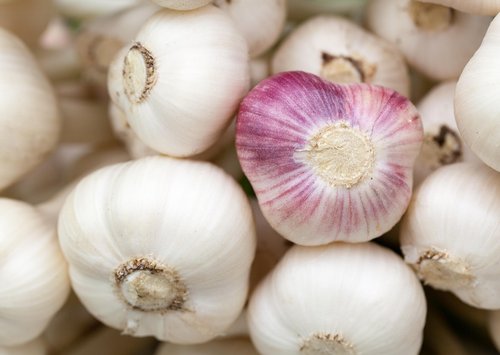
Pick young wild garlic leaves in spring, then blend with nuts, cheese, and oil for a vibrant, freezable pesto.
YOU MAY ALSO LIKE
Making Wild Garlic Pesto from Woodland Leaves
Jul 16
10Leave gaps in fences, set out shallow water, and avoid slug pellets to make your garden a safer haven for hedgehogs.
read more
Encouraging Hedgehogs into a Suburban Garden
Jul 14
10Balance greens and browns, turn regularly, and keep the heap moist to produce rich compost for beds and pots.
read moreForaging
-

ERRIC CATONA
Choose bare-root whips in winter, prepare a weed-free strip, and water well until the young hedge becomes established.
May 19, 2016 at 5.12 pm
Reply
ERRIC CATONA
Combine tart cooking apples with foraged blackberries under a buttery oat topping for a simple traditional comforting pudding.
May 19, 2016 at 5.12 pm
Reply -
ERRIC CATONA
From nesting tits in spring to winter flocks of redwing, garden birds offer daily interest and clues about weather.
May 19, 2016 at 5.12 pm
Reply
Wildlife
Your email address will not be published.