
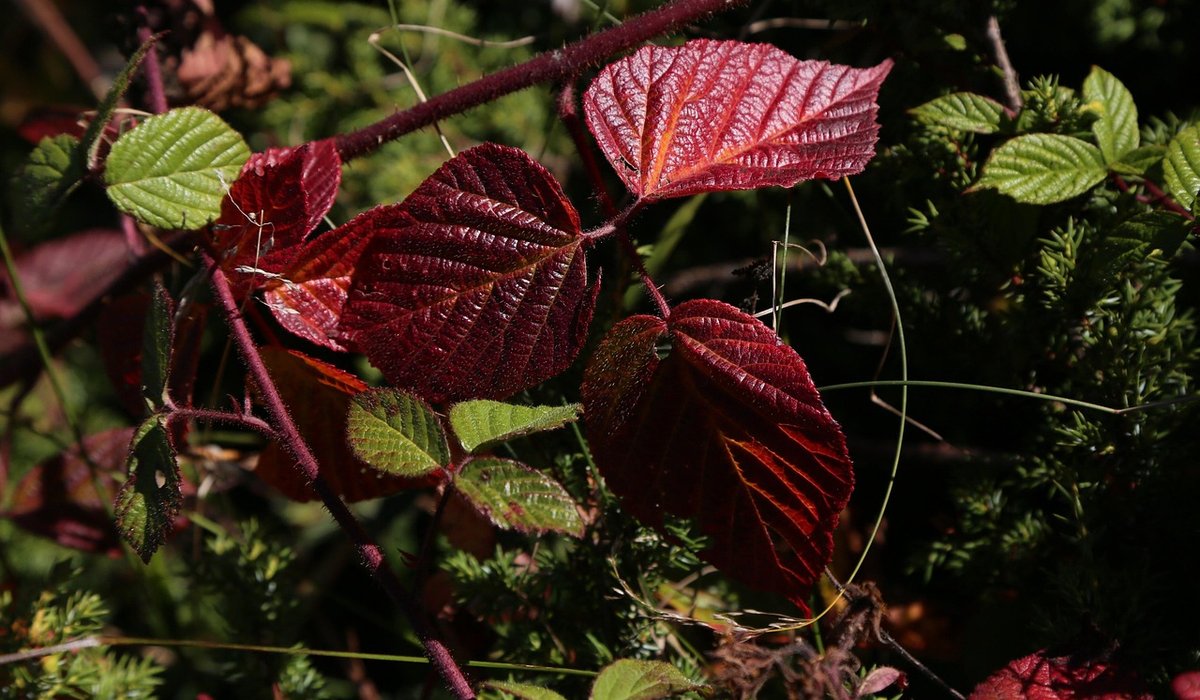
Understanding Hedgerow Ecology and Its Role in Farmland
A Network, Not Just a Boundary
It is tempting to see a hedgerow as a fence that happens to be alive — a boundary, a bit of shelter, something to trim. Ecologically, though, it is far more interesting than that. A good hedge is a corridor: a narrow strip of scrub, blossom, berry and leaf litter that lets wildlife move through landscapes which would otherwise be bare. In a countryside of large arable fields, those strips are often the only continuous habitat left.
The numbers are sobering. Roughly half of Britain's hedgerows disappeared in the second half of the twentieth century, grubbed out to make bigger fields and easier machinery work. What survives is often fragmented, cut too hard and too often. Where a hedge still joins a wood, a pond, a ditch or a rough field margin, it becomes part of a functioning network — and that is where the real biodiversity sits.
The Layers That Make a Hedge Work
A hedge trimmed to a neat box offers very little. A hedge allowed to grow into its natural shape supports a surprising amount, because wildlife uses different parts of it at different heights.
- Ground layer — tussocky grass, cow parsley, hedge woundwort and nettle patches at the base. This is where bank voles run, where hedgehogs nest and where many beetles and moths complete their life cycles.
- Shrub layer — hawthorn, blackthorn, hazel, dog rose, field maple and spindle. This is the engine room: dense, thorny and superb for nesting birds.
- Emergent layer — occasional standard trees such as oak, ash or wild cherry left to grow above the hedge line. These give song posts for yellowhammers and linnets, and hunting perches for kestrels and barn owls.
- Deadwood and leaf litter — decaying stems, old laid stools and accumulated leaves. Unassuming, but it feeds fungi, invertebrates and the birds that follow them.
The more plant species a hedge contains, the more insects it supports, and the more birds it can raise. A single-species hawthorn hedge is fine; a mixed hedge is far better.
Wildlife You Can Expect to Find
Walk a decent hedge in late spring and you may hear whitethroat, dunnock, wren and blackcap within a hundred metres. In winter, mixed flocks of redwing and fieldfare strip the berries. Hazel dormice — rare and strictly protected in England and Wales — use hedges as highways between woodlands, feeding on hazelnuts, honeysuckle flowers and blackberries as they go. Bats, including pipistrelles and greater horseshoes, commute along them at dusk, feeding on the moths and midges that gather in the shelter.
The invertebrates are just as remarkable. Brown hairstreak butterflies lay eggs on young blackthorn shoots, which is one very good reason not to cut a hedge to the same height every year. White admiral, gatekeeper and ringlet all benefit from hedges with bramble and taller margins alongside.
Foraging the Hedge — Sensibly and Seasonally
The hedgerow is also a larder, and late summer into autumn is when it earns that reputation. Look for:
- Sloes from blackthorn, ready after the first hard frosts and best turned into gin or jam.
- Rosehips and haws from dog rose and hawthorn — high in vitamin C, excellent as syrups and ketchups.
- Elderberries in September for cordials and wine, always cooked before eating.
- Blackberries, hazelnuts and crab apples, the familiar staples of a country walk.
Forage with care and within the law. Under the Wildlife and Countryside Act 1981 you may pick fruit, foliage and flowers for personal use, but you must not uproot plants or pick from protected sites, and you always need the landowner's permission. Avoid hedges alongside busy roads, where spray and exhaust residue collect, and skip the berries near the top — leave those for the birds, who need them far more than we do.
Managing a Hedge Well
The single best thing anyone can do for a hedge is to cut it less often and later. Leave trimming until late winter, ideally January or early February, once the berries have been eaten and before birds start nesting. It is an offence to cut hedgerows between 1 March and 31 August in England for good reason: that is peak nesting season.
Cut on a two or three year rotation where you can, and aim for an A-shaped profile — wide at the base, tapering at the top — so light reaches the bottom and the hedge does not go bare and leggy. Raising the cutter bar a little each year lets more shoots flower and fruit. If you farm or manage land, consider laying a section instead of flailing it; laid hedges live far longer.
Planting and Tending a Hedge in Your Own Garden
You do not need acreage to make a difference. A ten-metre boundary hedge planted with five or six native species will feed pollinators, shelter nesting birds and give you something to forage from within a few years.
- Plant bare-root whips between November and March, when the ground is workable and the plants are dormant.
- Set them 30–40 cm apart in a double, staggered row, mixing hawthorn, blackthorn, hazel, dog rose, field maple and guelder rose.
- Mulch well and fit spiral guards against rabbits and voles; water through the first two summers.
- Do not trim for the first three years — let the plants establish height and structure first.
- Once grown, cut lightly and infrequently, and leave one corner deliberately untidy. That scruffy patch is often the busiest part of the whole hedge.
Plant it, leave it a little wilder than you think you should, and the hedgerow will repay you with birdsong, blossom and a decent bottle of sloe gin.
tag: Hedgerows

Harriet Pemberton Author
Turn a glut of hedgerow blackberries into a rich, seed-speckled jam with just fruit, sugar, and a little lemon juice.
YOU MAY ALSO LIKE
Simple Blackberry Jam Recipe for Beginners
Sep 4
10Notice catkins, frogspawn, and returning swallows to track the subtle shifts that mark spring's arrival in the British Isles.
read more
Reading Nature's Calendar Through Early Spring Signs
Aug 30
10Volunteer with community groups, record wildlife sightings, or join a hedge-planting day to make a tangible difference nearby.
read moreForaging
-

ERRIC CATONA
Choose accessible paths, check tide times, and pack for changeable weather to enjoy a relaxed day in the British countryside.
May 19, 2016 at 5.12 pm
Reply
ERRIC CATONA
Harvest creamy elderflower heads on a dry morning, then infuse them into cordial, vinegar, or light seasonal fritters.
May 19, 2016 at 5.12 pm
Reply -
ERRIC CATONA
Stack old canes, bricks, and leaves to create overwintering spaces for solitary bees, ladybirds, and other beneficial garden insects.
May 19, 2016 at 5.12 pm
Reply
Wildlife
Your email address will not be published.