
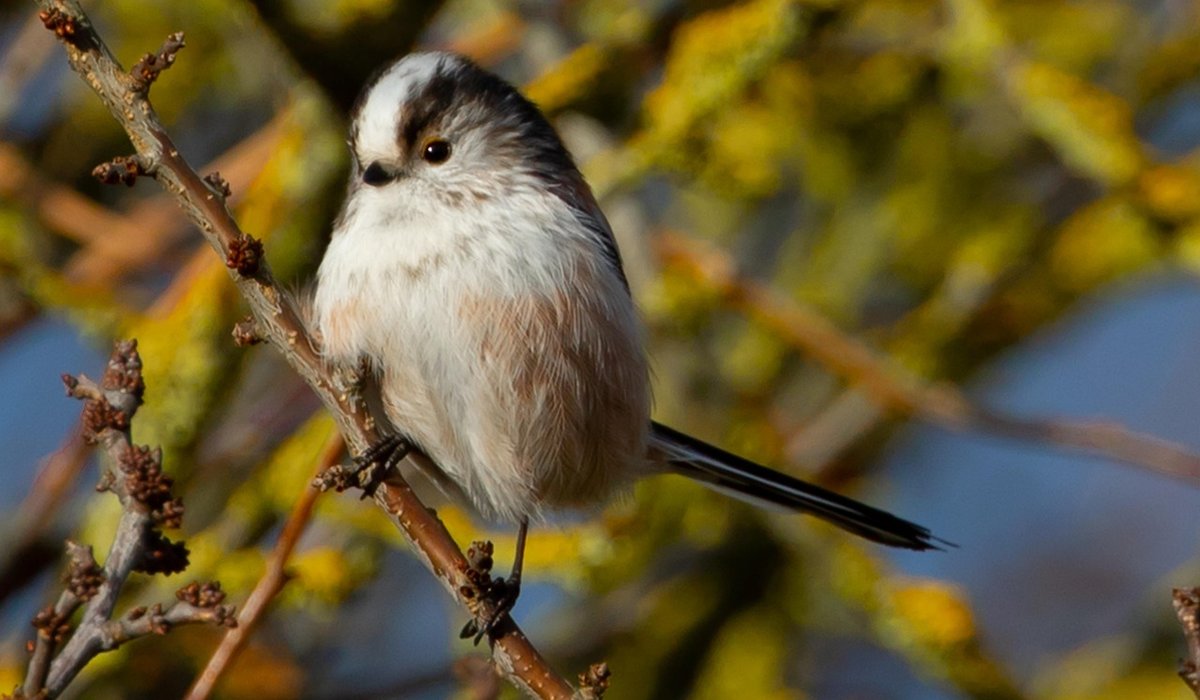
Growing Culinary Herbs in a British Kitchen Garden
Why Herbs Earn Their Place in the Kitchen Garden
Few things in a British garden repay attention so generously as a herb patch. A couple of rosemary bushes, a spread of thyme and a pot or two of mint will give you leaves for the best part of twelve months, often for the price of a single supermarket bunch. They are also forgiving plants, tolerating our damp winters and indifferent summers far better than most people expect — provided you plant them where they want to grow rather than where you happen to have a gap.
The trick is to recognise that "herbs" is not one group with one set of needs. Rosemary, thyme, sage and oregano are Mediterranean sun-lovers who would rather be dry and hungry than coddled. Mint, parsley and chives are the opposite: lush, thirsty and greedy. Plant them together in one soggy bed and the first group sulks and rots while the second romps away. Separate them and everything thrives.
Rosemary: The Evergreen Backbone
Rosemary is the plant that keeps on giving when nothing else will. Its needle leaves are there in January, and in a mild year the pale blue flowers open as early as February, offering one of the first proper feeds to waking bumblebees. Given sharp drainage it will live for a decade or more.
- Plant against a south- or west-facing wall, or in a generous pot of soil-based compost bulked out with one-third horticultural grit.
- Terracotta pots are ideal: they breathe, and they dry out fast in winter when wet roots do the real damage. Stand them on pot feet so water never sits underneath.
- Choose upright varieties for structure and prostrate forms for tumbling over a low wall or raised bed edge.
- Prune lightly after flowering, trimming the soft new growth — never cut back into bare old wood, as it rarely reshoots.
- Harvest the top 5–8cm of stems whenever you need them. Strip leaves from woody stems before chopping.
Thyme: Small Leaves, Big Reward
Thyme is the herb I would keep if I could only keep one. It asks for almost nothing except sunshine and stones, and it rewards you with leaves that dry superbly, freeze well and hold their flavour through slow-cooked winter dishes. Common thyme, lemon thyme and caraway thyme all grow happily in the same conditions.
Gravel mulch is the single best gift you can give a thyme plant. It keeps the collar of the plant dry, suppresses weeds and reflects warmth back onto the leaves. Thyme also loves growing in the cracks of paving or the crevices of a stone retaining wall, where drainage is perfect and the scent rises when you brush past it.
- Cut plants back by roughly half in midsummer after flowering to keep them bushy and prevent them going leggy and woody.
- Take softwood cuttings in late July or August as winter insurance — our wet winters kill more thyme than cold ever does.
- In a wet autumn, lift pots onto bricks or move them under the eaves so the compost never stays saturated.
Mint: Contain It or Regret It
Mint spreads by underground runners and will happily colonise half a border within three seasons. That is not a reason to avoid it — it is a reason to grow it properly. Sink a large bottomless pot into the soil with its rim 2–3cm proud, or simply keep mint in a container on its own.
Spearmint is the variety for cooking and mint sauce; Moroccan mint makes the best tea; apple mint is milder and worth growing for its scent alone. Whichever you choose, keep it well watered and cut it hard and often — regular harvest is what keeps the leaves tender and sweet rather than tough and bitter.
- Divide congested pots every second spring, replanting the youngest, healthiest roots in fresh compost.
- Never let mint flower if you want leaf: pinch out the tips as soon as buds form.
- Stand a pot near the kitchen door for a constant, easy harvest through summer.
Herbs, Hedgerows and the Wildlife Between Them
A herb garden is quietly good for wildlife. Left to flower, thyme and rosemary are among the best nectar sources in a small garden, drawing honeybees, solitary bees and hoverflies whose larvae later deal with your aphids. Fennel and dill bring in lacewings. The hedge behind the vegetable patch — hawthorn, blackthorn, hazel — shelters the very insects your herbs are feeding, so the two habitats work as one.
It is worth knowing the hedgerow relatives of what you grow: wild thyme on chalk downland, water mint in damp ditches, marjoram on lime-rich banks. Please admire these in place rather than digging them up — many are locally scarce, and all are protected by law from being uprooted without the landowner's permission. Take a few leaves for the pot, leave the roots alone, and keep your garden cultivated with bought or home-propagated stock.
Keeping the Supply Going Through Winter
The fuss-free path to year-round herbs is a mix of pots and protection. Move the most tender pots close to the house wall in October, where residual warmth and shelter make a real difference. A cloche or a cold frame over a raised bed will keep parsley and chives cropping through most of the winter.
- Water far less from November to February — soggy compost, not frost, is the usual killer.
- Feed lightly with a diluted seaweed tonic once a month from March to September, and not at all in winter.
- Freeze chopped soft herbs in ice-cube trays with a little water, or blend them into butter for winter steaks and fish.
- Hang woody stems of thyme, rosemary and oregano in a dry, airy, dark place; they will be ready to crumble into jars within a fortnight.
Start with three pots, plant them well, and harvest often. Within a season you will wonder why you ever bought herbs in plastic packets.
tag: Gardening

Eleanor Whitfield Author
Layered cutting and planting native species such as hawthorn and hazel keeps hedges dense, fruitful, and rich in shelter.
YOU MAY ALSO LIKE
Managing a Mixed Native Hedge for Wildlife
Aug 5
10Prick frozen sloes, cover with gin and sugar, then wait patiently for a warming liqueur that improves with time.
read more
Slow-Cooked Sloe Gin for Cold Evenings
Aug 1
10As summer fades, hedgerows offer hazelnuts, rosehips, and field mushrooms, rewarding careful foragers with a plentiful seasonal bounty.
read moreForaging
-

ERRIC CATONA
Share sightings of birds, butterflies, or mammals with local recording schemes to help build a clearer picture of British biodiversity.
May 19, 2016 at 5.12 pm
Reply
ERRIC CATONA
Bluebell woods and old coppice stands reveal centuries of management, offering quiet walks and clues to past land use.
May 19, 2016 at 5.12 pm
Reply -
ERRIC CATONA
Pick young wild garlic leaves in spring, then blend with nuts, cheese, and oil for a vibrant, freezable pesto.
May 19, 2016 at 5.12 pm
Reply
Wildlife
Your email address will not be published.