
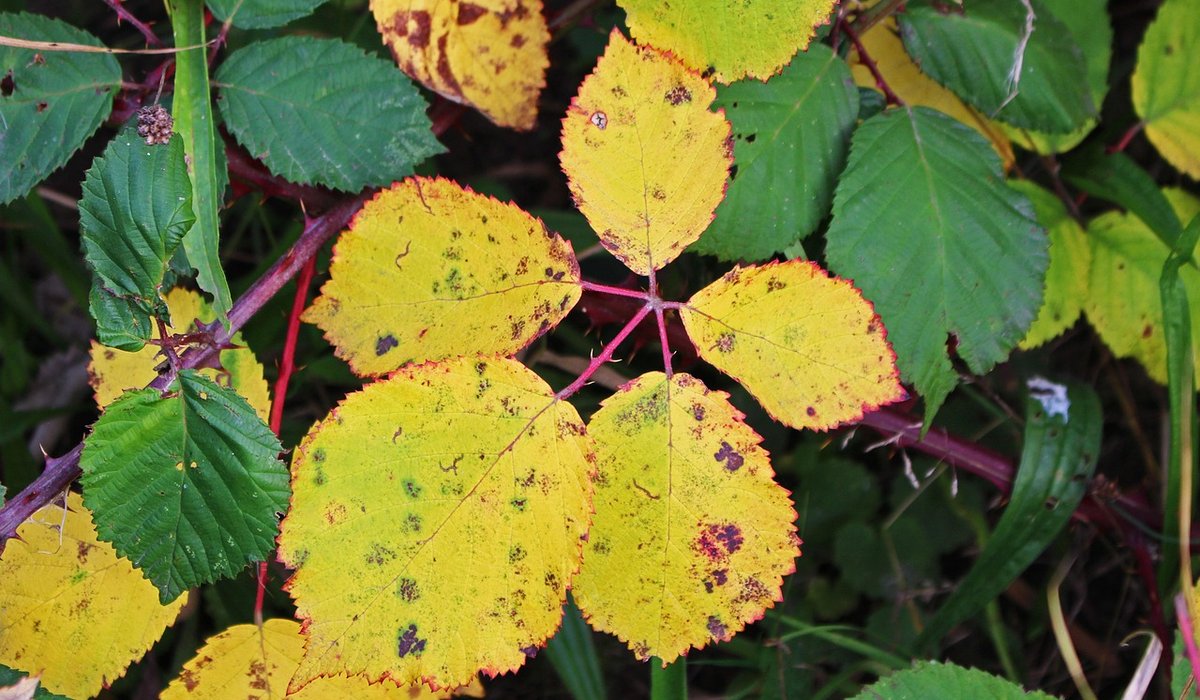
Simple Blackberry Jam Recipe for Beginners
Blackberries are the great free harvest of the British late summer. From the last week of August through to early October, every hedgerow, railway embankment, and neglected corner of the garden offers up more fruit than most of us know what to do with. Jam is the answer. It is forgiving, keeps for a year, and needs only three ingredients. If you have never made jam before, this is the one to start with.
Why Blackberries Make Such Good Beginners' Jam
Unlike strawberries, which need added pectin or long boiling, blackberries set reasonably well on their own, especially if you include a handful of underripe berries. They bring their own deep colour, a slight tannic grip, and plenty of natural acidity, which means you do not have to fight the fruit to get a good set. The seeds are the only real complaint, and even they are part of the charm — a proper hedgerow jam should have a bit of texture. Expect a soft-set jam rather than a firm, sliceable one, and you will not be disappointed.
Picking Blackberries Properly
Go out on a dry day, ideally two or three days after rain has passed. Wet berries dilute the jam and go mouldy faster. Take a shallow container rather than a deep bag, so the fruit does not crush under its own weight, and wear long sleeves — brambles bite.
Pick only fruit that comes away with almost no pull. If you have to tug, it is not ready and it will taste sour. At the same time, drop a small handful of firmer, slightly red-tinged berries into the tub: they carry extra pectin and will help the set. Avoid any berry with a brown patch or a maggot visible at the core; a few grubs will float off during simmering anyway. Standard foraging etiquette applies: pick above dog height, avoid busy roadside verges and any hedge that looks as though it has been sprayed, take no more than a quarter of what you find, and leave the high fruit for the birds and small mammals that depend on it. Never pull up plants, and get permission before picking on private land.
What You Need
- 1kg prepared blackberries (about 1.5kg picked, once you remove leaves and stalks)
- 1kg granulated sugar — ordinary sugar is fine; jam sugar with added pectin will give a firmer set if you prefer
- Juice of one large lemon, roughly two tablespoons
- A large heavy-based pan, at least 4 litres, and preferably taller than it is wide
- A long wooden spoon, a saucer chilled in the freezer, and a jam thermometer if you have one
- 4–5 clean jars of about 340g, with new or well-washed lids
Step-by-Step Method
Rinse the fruit briefly in a colander and pick over it, discarding stalks, leaves, and any green or damaged berries. Do not soak it.
Tip the blackberries and lemon juice into the pan and simmer gently for about ten minutes, stirring now and then, until the fruit has collapsed and released plenty of juice. This softens the skins before the sugar goes in.
Warm the sugar in a low oven for ten minutes, then add it to the pan off the heat. Stir until every grain has dissolved. This is the step beginners rush, and it is the one that matters most: undissolved sugar will crystallise in the jars later. Drag the spoon across the base of the pan — if you can still feel grit, keep stirring over a low heat.
Once the sugar has gone, turn the heat up and bring the jam to a rolling boil that cannot be stirred down. Boil hard for 10–15 minutes, stirring often to stop it catching. Skim off the pale foam that rises with a slotted spoon.
Test for a set after ten minutes. Spoon a little jam onto the chilled saucer, leave it for a minute, then push it with your finger. If the surface wrinkles and the jam holds its shape, it is ready. If it is still runny, boil for another three minutes and test again. A thermometer should read 105°C.
Take the pan off the heat, let it settle for five minutes, then stir once to distribute the seeds evenly. Pour into sterilised jars, filling to within 5mm of the rim, and seal immediately. The jam will thicken further as it cools.
Sterilising and Storage
Wash the jars in hot soapy water, rinse, and stand them upside down in a low oven at 140°C for fifteen minutes. Boil the lids for ten minutes in a pan of water and leave them to drain on a clean tea towel. Fill the jars while both jam and jars are hot.
Store in a cool, dark cupboard. The jam keeps for at least twelve months unopened; once opened, keep it in the fridge and use within a month. A little surface mould means the jar was not quite sealed, but if the jam smells fermented, throw it out.
If It Goes Wrong, and What to Do Next
- Too runny? Tip it all back into the pan, add the juice of half a lemon, and boil for another five minutes.
- Too stiff? It will still be excellent warmed through and spooned over porridge or yoghurt.
- Crystallised? The sugar was not fully dissolved. Next time, stir longer off the heat before boiling.
- Seedy? Push the pulp through a sieve before adding the sugar, or accept it as the price of honest hedgerow jam.
Once you have made one batch, you will start eyeing the brambles in your own garden differently. A bramble patch kept in check — cut back the old canes after fruiting, leave this year's growth to fruit next summer — gives you a crop every year, feeds the bees in June with its pink-white flowers, and shelters wrens, robins, and the occasional hedgehog. Making jam from it is simply the last, and best, part of the bargain.
tag: Recipes

Oliver Radcliffe Author
Notice catkins, frogspawn, and returning swallows to track the subtle shifts that mark spring's arrival in the British Isles.
YOU MAY ALSO LIKE
Reading Nature's Calendar Through Early Spring Signs
Aug 30
10Volunteer with community groups, record wildlife sightings, or join a hedge-planting day to make a tangible difference nearby.
read more
Practical Ways to Support Local Conservation Projects
Aug 24
10Choose accessible paths, check tide times, and pack for changeable weather to enjoy a relaxed day in the British countryside.
read moreForaging
-

ERRIC CATONA
Harvest creamy elderflower heads on a dry morning, then infuse them into cordial, vinegar, or light seasonal fritters.
May 19, 2016 at 5.12 pm
Reply
ERRIC CATONA
Stack old canes, bricks, and leaves to create overwintering spaces for solitary bees, ladybirds, and other beneficial garden insects.
May 19, 2016 at 5.12 pm
Reply -
ERRIC CATONA
Rosemary, thyme, and mint thrive in pots or borders, giving fresh flavour through most of the year with minimal fuss.
May 19, 2016 at 5.12 pm
Reply
Wildlife
Your email address will not be published.