
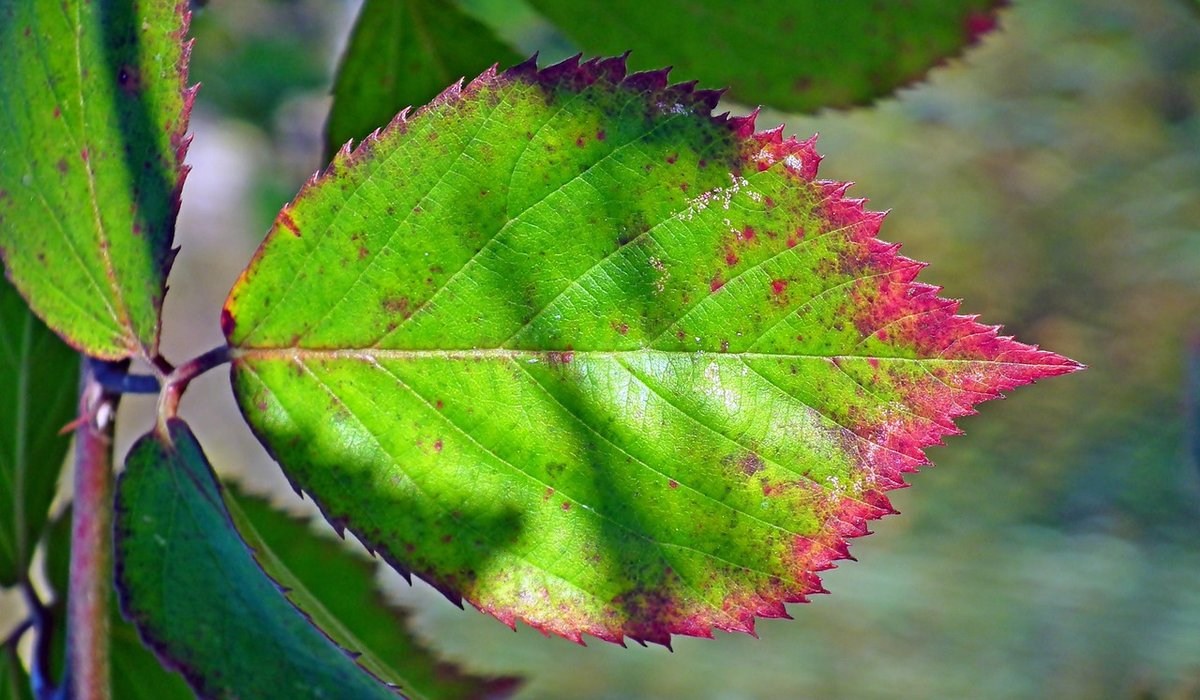
How to Identify Common Edible Plants in British Hedgerows
Why hedgerows are a larder with a caveat
There is a particular pleasure in walking a late-summer lane and spotting the first dusky elderberries or a bramble heavy with fruit. British hedgerows are living larders, shaped by centuries of farming, and they still offer free food to anyone willing to learn their rhythms. But wild food comes with a simple rule: never eat anything unless you are 100% certain of its identity. If in doubt, leave it out.
The three plants below are among the most common and useful hedgerow edibles, but each has lookalikes that range from disappointing to dangerous. Learn the whole plant — leaf, flower, stem, fruit and habitat — not just the berry.
Elderberry: flat-topped flowers, dusky drooping berries
Elder (Sambucus nigra) is a shrub or small tree of hedges, woodland edges and waste ground. It is generous once you know it.
- Leaves: opposite, pinnate, usually with five to seven oval leaflets with serrated edges. Crushed leaves have a distinctly unpleasant smell.
- Flowers: tiny, creamy-white, in flat-topped umbels from May to June.
- Berries: small, round, black-purple, hanging in drooping clusters from late August to October.
- Bark: grey-brown, corky and deeply furrowed on older wood.
Lookalikes include dwarf elder (Sambucus ebulus), which is herbaceous rather than woody and has toxic berries, and red-berried elder (Sambucus racemosa), whose berries are red and best avoided. Rowan has red berries and different leaves. Raw elderberries are toxic and must be cooked; remove the green stems and leaves before simmering, and use them in cordials, jellies or ketchup.
Blackberry: the easy win with a bramble warning
Blackberry (Rubus fruticosus aggregate) is the forager’s friend, but the bramble patch is also a wildlife hotel. Pick from the sunny edges and leave the deep interior for nesting birds and small mammals.
- Stems: arching, thorny canes, often rooting at the tips.
- Leaves: usually three to five leaflets, palmate, toothed, often pale beneath.
- Flowers: white or pinkish, five petals, from June to August.
- Fruit: an aggregate of many small drupelets, ripening green to red to black from late July to September.
Dewberry is a close relative with fewer drupelets and a bluish bloom, and it is edible. Wild raspberry is also edible. The key is the aggregate structure: a blackberry is a cluster of many little segments. Deadly nightshade has single, shiny black berries, not a bramble fruit, and its leaves and purple bell flowers are very different. Pick away from busy roads and dog-walking spots, and wash before eating.
Sloe: the gin berry with a blackthorn surprise
Sloe is the fruit of blackthorn (Prunus spinosa), the spiny shrub that lights up March hedges with white blossom before its leaves appear.
- Twigs: dark, dense and ending in a sharp thorn.
- Flowers: pure white, five petals, massed on bare branches in early spring.
- Leaves: oval, finely toothed, alternate.
- Fruit: round, blue-black, 10–15mm across, with a dusty bloom, ripe from October and best after the first frosts.
Bullace and damson are larger, less spiny and edible. Privet has black berries but opposite leaves and no thorns; it is toxic. Alder buckthorn also has black berries and is toxic. The safe signature of sloe is the sharp thorn, small round fruit and mouth-puckering astringency. Sloes are too bitter raw for most palates, but they make excellent gin, jelly and fruit cheese.
Lookalikes that should stay in the hedge
Several tempting berries are best left alone. Deadly nightshade has single, glossy black berries, dull green leaves and purple-brown bell flowers. Woody nightshade carries red berries and purple star-shaped flowers. Yew has a red, cup-like aril around a highly toxic seed. Privet and alder buckthorn both produce black berries that can cause serious illness. Dwarf elder and red-berried elder are other elder lookalikes to avoid.
If you are new to foraging, go out with someone experienced, carry a good field guide, and photograph your finds from several angles. Never rely on a phone app alone.
Foraging etiquette and a hedge for your garden
Take only what you need — a rough guide is no more than 10% of any patch. Leave the rest for birds, dormice, insects and next year’s crop. Ask permission on private land, avoid nature reserves and Sites of Special Scientific Interest, and never uproot wild plants.
If you garden in the countryside, you can return the favour. Plant a native hedge mix of hawthorn, blackthorn, hazel, dog rose, field maple and elder. Cut hedges in rotation rather than all at once, leave ivy and seedheads over winter, and avoid invasive garden shrubs that escape into the wider landscape. A good hedge is both a boundary and a habitat.
Take a basket, gloves, secateurs and a field guide. Check every berry twice, cook what needs cooking, and enjoy the quiet satisfaction of a hedgerow harvest gathered with care.
tag: Foraging

Oliver Radcliffe Author
A simple pond attracts frogs, newts, and dragonflies, offering fresh water and shelter throughout the year for local wildlife.
YOU MAY ALSO LIKE
Creating a Wildlife-Friendly Garden Pond for Small Creatures
Sep 21
10Even a balcony or window box can support native wildflowers, providing pollen for bees and colour through the changing seasons.
read more
Seasonal Guide to Growing British Wildflowers in Small Spaces
Sep 16
10Hedgerows provide vital corridors for birds, insects, and mammals, connecting fragmented habitats across the British countryside and supporting biodiversity.
read moreForaging
-

ERRIC CATONA
Turn a glut of hedgerow blackberries into a rich, seed-speckled jam with just fruit, sugar, and a little lemon juice.
May 19, 2016 at 5.12 pm
Reply
ERRIC CATONA
Notice catkins, frogspawn, and returning swallows to track the subtle shifts that mark spring's arrival in the British Isles.
May 19, 2016 at 5.12 pm
Reply -
ERRIC CATONA
Volunteer with community groups, record wildlife sightings, or join a hedge-planting day to make a tangible difference nearby.
May 19, 2016 at 5.12 pm
Reply
Wildlife
Your email address will not be published.