
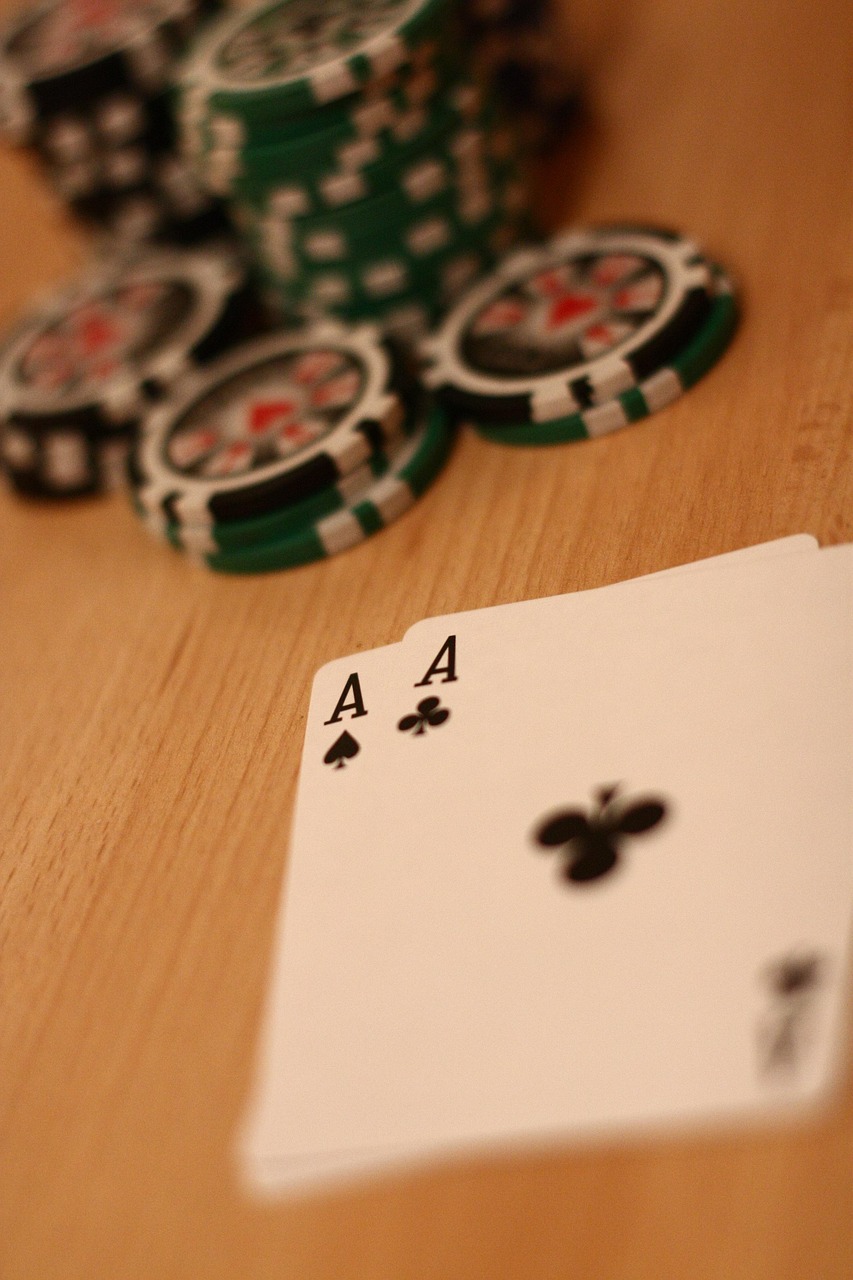
The Real Odds: Why Most iGaming Players Get It Wrong
You've seen the ads: a smiling twenty-something in a rented Lamborghini, holding a phone that just paid out a six-figure jackpot. It's a fantasy sold to millions. The reality is that iGaming – casinos, sports betting, slots, and poker – is a multi-billion dollar industry built on a simple mathematical truth: the house always has an edge. But that doesn't mean you can't enjoy it, or even win in the short term. It means you need to understand what you're actually up against. This isn't a sermon about quitting. It's a cold, clear-eyed look at how the games really work, where the smart money goes, and how to avoid the most expensive mistakes.
The House Edge: Your Invisible Opponent
Every game you play in a casino or online has a built-in profit margin for the operator. It's called the house edge, and it's the single most important number you can know. For example, American roulette has a house edge of 5.26% because of the double zero. European roulette cuts that to 2.70% by removing one zero. That might not sound like much, but over a thousand spins, it's the difference between losing $52 and $27 for every $100 wagered. Blackjack, when played with basic strategy, can have a house edge as low as 0.5%. Slot machines? They're often between 2% and 10%, depending on the game and the casino. The edge is how the casino pays its bills and its shareholders. You can't eliminate it, but you can choose games where it's smallest. That's not luck. That's math. A detailed guide is available at สล็อต.
The same logic applies to sports betting. A point spread isn't a prediction; it's a price. When you bet on a team at -110, you're risking $110 to win $100. That extra $10 is the vigorish, or vig, and it's the sportsbook's cut. Over time, even a 55% win rate – which is excellent – can be ground down by the vig if you're not careful. The lesson? Shop for the best lines. A half-point difference in a spread can turn a long-term loser into a break-even player.
Slots: Volatility, RTP, and the Myth of 'Due'
Slots are the most popular form of casino gaming, and also the most misunderstood. Two numbers matter more than any flashing light or bonus round: RTP (Return to Player) and volatility. RTP is the percentage of all wagered money that a slot pays back over millions of spins. A 96% RTP slot returns $96 for every $100 bet, on average. That 4% is the house edge. Volatility describes how those returns are distributed. A low-volatility slot pays small amounts frequently, like a slow leak in a bucket. A high-volatility slot might pay nothing for hundreds of spins, then hit a massive jackpot. Neither is 'better' – they suit different bankrolls and personalities.
Here's the myth that costs players the most: the idea that a machine is 'due' for a win. Slots use random number generators (RNGs). Each spin is independent. A machine that hasn't paid out in hours is no more likely to pay out on the next spin than one that just paid. The RNG has no memory. Believing otherwise is like thinking a coin is more likely to land on heads because it landed on tails five times in a row. It's a fallacy, and it's expensive.
- Tip: Always check the RTP before you play. It's often listed in the game's help screen or on the casino's website. Anything below 94% is a bad deal.
- Tip: Match volatility to your bankroll. If you have $50, a high-volatility slot will eat it in minutes. Choose low-volatility games to stretch your playtime.
- Tip: Never chase losses on slots. The RNG doesn't care about your feelings or your bank balance.
Poker: The Only Game Where You Play the Player
Poker is different. In poker, you're not playing against the house – you're playing against other people. The house takes a rake, a small percentage of each pot, but your long-term success depends on your skill relative to your opponents. That's why professional poker players exist, while professional slot players do not. The key is to play against weaker opponents. In poker, if you can't spot the fish at the table, you're the fish. That's not an insult; it's a strategic reality.
Online poker has made this both easier and harder. Easier because you can multi-table and find soft games at off-peak hours. Harder because tracking software and solvers have raised the average skill level. The modern poker player needs to understand concepts like pot odds, equity, and range analysis. Here's a concrete example: if you have a flush draw on the flop, you have roughly a 35% chance to complete it by the river. If your opponent bets $10 into a $30 pot, you're getting 3-to-1 odds, meaning you need to win 25% of the time to break even. Since your draw hits 35% of the time, a call is profitable in the long run. That's the kind of thinking that separates winners from donors.
Betting: The Wisdom of the Closing Line
Sports betting is often seen as a coin flip, but it's not. The closing line – the final point spread or moneyline before an event starts – is the most accurate predictor of the outcome. It's the collective wisdom of millions of dollars from sharp bettors and bookmakers. If you consistently beat the closing line, you're a long-term winner. If you don't, you're not. It's that simple.
So how do you beat the closing line? You need an edge. That could be superior information (e.g., knowing a key player is injured before the news breaks), a better model (e.g., using advanced stats to predict outcomes), or simply line shopping (e.g., finding a book that hasn't adjusted its odds as quickly as others). The most common mistake is betting on your favorite team. Emotional betting is a fast track to the poorhouse. The second most common mistake is parlays. They're fun, but the house edge compounds with every leg. A three-team parlay at -110 each has a house edge of over 12%. That's four times worse than a single bet.
Bankroll Management: The Only Sure Thing
You can't control the cards, the RNG, or the final score. You can control your bankroll. This is the one area where discipline truly pays off. A proper bankroll is money you can afford to lose without affecting your life. It's not your rent, your grocery budget, or your emergency fund. Once you have that number, follow these rules:
- Set a unit size. A common rule is 1-2% of your total bankroll per bet or spin. If you have $500, your unit is $5 to $10. This protects you from variance.
- Never chase losses. Increasing your bet size to win back what you lost is the fastest way to zero. The games don't know you're 'due'.
- Take breaks. Tilt – the emotional fog after a bad beat – is real. Walk away. Come back tomorrow.
- Withdraw profits. If you double your bankroll, withdraw the original amount. Now you're playing with the house's money, and your risk is zero.
Bankroll management won't make you a winner, but it will keep you in the game long enough to enjoy it. And that's the point. iGaming is entertainment, not a retirement plan. The moment it stops being fun, stop playing.
The Bottom Line: Play Smart, Not Hard
The iGaming industry is a marvel of mathematics and psychology. It's designed to separate you from your money, slowly and pleasantly. That doesn't mean you can't have a great time or even walk away ahead on a given night. But it does mean you need to respect the math. Choose low-house-edge games. Understand RTP and volatility. Play poker against weaker players. Bet on sports with an edge, not with your heart. And above all, manage your bankroll like a professional. The house always has an edge, but you don't have to be a sucker. The smartest players aren't the ones who win the most. They're the ones who lose the least while having the most fun. That's the real jackpot.
tag: iGaming

Oliver Radcliffe Author
A simple pond attracts frogs, newts, and dragonflies, offering fresh water and shelter throughout the year for local wildlife.
YOU MAY ALSO LIKE
Creating a Wildlife-Friendly Garden Pond for Small Creatures
Sep 21
10Even a balcony or window box can support native wildflowers, providing pollen for bees and colour through the changing seasons.
read more
Seasonal Guide to Growing British Wildflowers in Small Spaces
Sep 16
10Hedgerows provide vital corridors for birds, insects, and mammals, connecting fragmented habitats across the British countryside and supporting biodiversity.
read moreForaging
-

ERRIC CATONA
Turn a glut of hedgerow blackberries into a rich, seed-speckled jam with just fruit, sugar, and a little lemon juice.
May 19, 2016 at 5.12 pm
Reply
ERRIC CATONA
Notice catkins, frogspawn, and returning swallows to track the subtle shifts that mark spring's arrival in the British Isles.
May 19, 2016 at 5.12 pm
Reply -
ERRIC CATONA
Volunteer with community groups, record wildlife sightings, or join a hedge-planting day to make a tangible difference nearby.
May 19, 2016 at 5.12 pm
Reply
Wildlife
Your email address will not be published.